
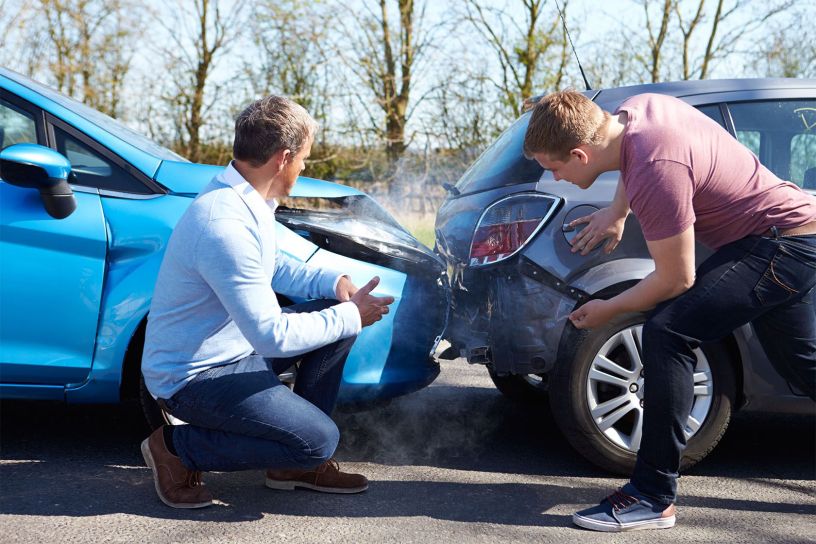
Physical evidence is crucial in building your car accident claim, so much so that it becomes impossible to determine fault with them. Physical evidence can come in various forms, and it is essential to know how you can gather, preserve and use them in your case.
If you were in a car accident, you might be thinking, “Where can I find a good Conyers personal injury lawyer near me?” An attorney has special resources for investigating the case, which can help you gather the evidence you would not have gathered otherwise.
Types of physical evidence in a car accident
- Paint transfers.
When one car collides or scrapes against another, some paint transfers from one car’s body to another. By this, experts can figure out the following:
- The speed of the vehicles before the accident
- Whether the cars contacted each other
- The motion of the cars at the time of contact
Paint transfers can be significant in hit-and-run cases and help the investigating team understand who the fleeing driver is. It is suggested not to immediately take your car to the repair shop to avoid erasing evidence.
- Skid marks.
Skid marks are tire marks that occur on the surface of the road in an accident. They are an essential part of a car accident investigation as their size and shape can reveal much information about the speed of the vehicles and acceleration/deceleration.
- Dents and scratches.
Dents and scratches can determine where the vehicle was struck and possibly the vehicle’s speed. You can document evidence by clicking photographs and videos of your and the other party’s car at the accident scene.
- Debris on the road.
Road debris is often formed in a car accident. It usually includes rubble, wreckage, garbage, shattered pieces of glass, etc. Debris often indicates the extent of the collision. The more debris there is, the bigger the force of the collision. For example, a little fender bender would produce little to no debris, but a car hitting another with a speed of 100mph would result in a lot of debris.
- Glass fragments.
The glass in the window and windshield of the car can shatter due to impact in a car accident. In a case of hit and run, one can potentially make out information about the fleeing car through one of the glass pieces. You may click pictures of the broken glasses at the scene but make sure you do not touch or collect the evidence. Always inform the police officers on site.
Victims of serious accidents deserve serious compensation. An attorney can help you navigate through the legal waters and help you gather evidence to build your case. Contact one today.
 Business News Blog