
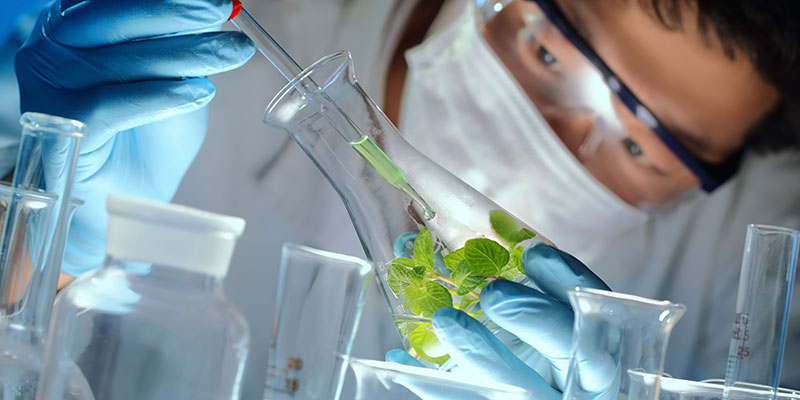
Phytochemical research has undergone significant evolution, driven by technological advancements and a deeper understanding of plant-derived compounds’ potential applications. This article explores the emerging trends shaping the future of phytochemical studies.
1. Advanced analytical techniques
The identification and characterization of phytochemicals have been revolutionized by cutting-edge analytical methods. Techniques such as mass spectrometry and nuclear magnetic resonance spectroscopy offer unprecedented precision, enabling the discovery of novel compounds and a comprehensive understanding of their structures and functions. These tools facilitate the exploration of complex plant matrices, leading to the identification of bioactive substances with potential therapeutic applications.
2. Integration of computational methods
The incorporation of computational approaches, including artificial intelligence and mathematical modeling, has become increasingly prevalent in phytochemical research. These methods assist in virtual screening, predicting pharmacological properties, and elucidating complex biosynthetic pathways. By simulating interactions at the molecular level, researchers can efficiently identify promising compounds and understand their mechanisms of action, thereby accelerating the development of phytochemical-based therapeutics. Companies like Extrasynthèse provide essential resources that support this sophisticated computational research.
3. Sustainable extraction and green chemistry
There is a growing emphasis on sustainable practices in the extraction and synthesis of phytochemicals. Researchers are developing eco-friendly extraction methods that minimize environmental impact while maintaining the integrity of bioactive compounds. Green solvents and energy-efficient processes are being employed to ensure that the production of phytochemicals aligns with environmental sustainability goals. This shift not only addresses ecological concerns but also enhances the scalability and commercial viability of phytochemical applications.
4. Phytochemicals in chronic disease management
The therapeutic potential of phytochemicals in managing chronic diseases is gaining recognition. Studies have demonstrated that compounds such as carotenoids, polyphenols, and phytosterols possess properties that may prevent or mitigate conditions like diabetes, obesity, cancer, and cardiovascular diseases. The Rutin analytical standard is particularly valuable in studying flavonoids linked to cardiovascular health. This has led to the development of functional foods and nutraceuticals aimed at delivering these health benefits. Ongoing research focuses on understanding the bioavailability, efficacy, and mechanisms of action of these compounds to optimize their use in disease prevention and management.
5. Biotechnological applications
Advancements in biotechnology have opened new avenues for phytochemical research. Techniques such as metabolic engineering and synthetic biology enable the production of phytochemicals in controlled environments, enhancing yield and consistency. This approach facilitates the large-scale production of valuable compounds that are otherwise difficult to extract from natural sources. Additionally, biotechnological interventions allow for the modification of phytochemical structures to improve their therapeutic properties and reduce potential side effects.
6. Personalized nutrition and phytochemicals
The concept of personalized nutrition is emerging, where phytochemicals play a pivotal role. By understanding individual genetic profiles and metabolic responses, researchers are exploring how tailored dietary interventions with specific phytochemicals can optimize health outcomes.
7. Challenges and future directions
Despite the promising advancements, challenges persist in phytochemical research. Issues such as bioavailability, standardization, and regulatory hurdles need to be addressed to fully harness the potential of phytochemicals. Future research is directed towards developing novel delivery systems to improve bioavailability, establishing standardized protocols for phytochemical extraction and analysis, and navigating the complex regulatory landscape to facilitate the integration of phytochemicals into mainstream healthcare.
In conclusion, phytochemical research is at the forefront of discovering natural compounds with significant health benefits. The integration of advanced technologies, sustainable practices, and personalized approaches is poised to transform this field, offering innovative solutions for health promotion and disease management.
 Business News Blog